
n the bustling heart of Houston, where the energy of the Ship Channel meets the non-stop flow of I-10, we know that logistics is more than just moving boxes—it’s the pulse of your business. At Seashore Transportation, we see firsthand how a single shipping decision can ripple through a company’s bottom line.
One of the most common questions our partners ask us is: “Should I go with Full Truckload (FTL) or Less-Than-Truckload (LTL)?”
There’s no “one-size-fits-all” answer, but there is a “right-size” answer for your specific goals. Let’s break down the differences so you can ship smarter.
The Basics: What’s the Difference?
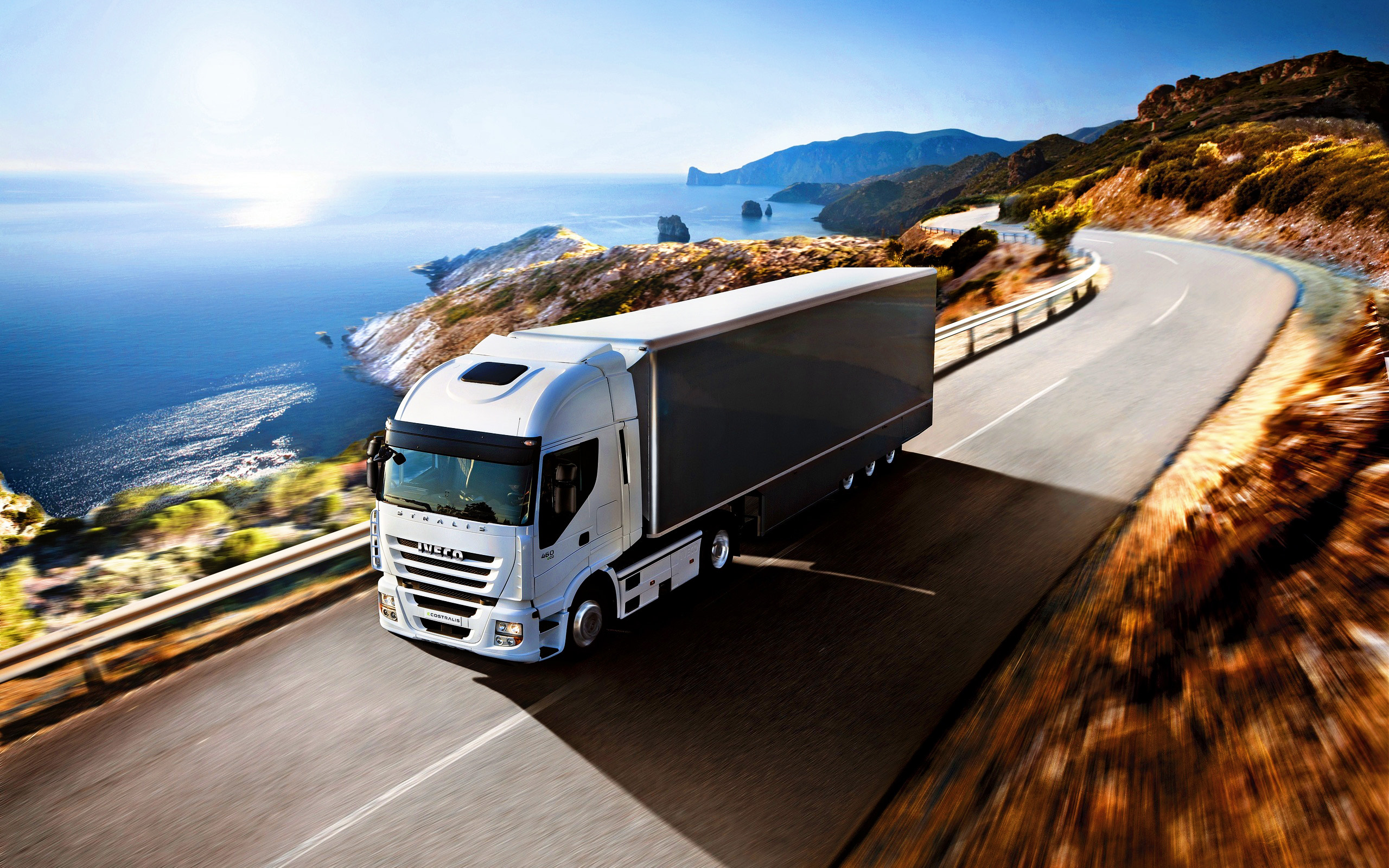
Think of FTL like renting a private car for your cargo. Your goods have the entire trailer to themselves, and they stay on that truck from our facility until they reach their destination.
LTL, on the other hand, is like a high-end commuter bus. You only pay for the “seat” (or pallet space) your goods occupy. Your shipment shares the ride with freight from other businesses, and the truck makes multiple stops along the way.
Which One Wins for Your Business?
Deciding between the two usually comes down to three main factors: Cost, Speed, and Care.
1. Cost Efficiency
LTL: This is usually the champion for smaller shipments (typically 1 to 6 pallets). Since you’re sharing the cost of the truck and fuel with other shippers, your per-pallet price stays low.
FTL: While the upfront cost is higher, FTL can actually be more cost-effective if you have enough freight to fill a trailer (or close to it). You avoid the complex “class-based” pricing of LTL.
2. Speed and Timing
FTL: If you’re on a tight deadline, FTL is your best friend. There are no intermediate stops or hub transfers. It’s a straight shot from Point A to Point B.
LTL: Because the driver has to make multiple pickups and deliveries, LTL takes a bit longer. It’s perfect for shipments where you have a little “wiggle room” in the schedule.
3. Handling and Safety
FTL: Because your goods stay on one truck the entire time, there is significantly less handling. This makes FTL the preferred choice for fragile or high-value items.
LTL: Your pallets may be moved at various terminals to optimize the route. At Seashore, we pride ourselves on our meticulous handling, but it’s a factor to keep in mind for very delicate cargo.
The Seashore Perspective
| Feature | FTL (Full Truckload) | LTL (Less-Than-Truckload) |
| Best For | Large, heavy, or fragile shipments | Small shipments (1-6 pallets) |
| Delivery | Fast and predictable | Economical but variable |
| Handling | Minimal (stays on one truck) | Multiple touchpoints |
| Cost | Fixed rate for the whole truck | Pay only for the space you use |
Making the Right Call
In the Texas heat, timing is everything—whether you’re moving industrial equipment to the refineries or consumer goods to a warehouse in Katy.
If you have more than 10 pallets or a high-priority delivery, FTL is likely your winner. If you’re a growing business looking to keep overhead low on smaller batches, LTL will help you scale without breaking the bank.
Still not sure which route to take? That’s what we’re here for. At Seashore Transportation, we don’t just move freight; we provide the peace of mind that comes with knowing your logistics are handled by a neighbor who cares about your success as much as you do.

Seashore transportation is a transportation staple in La Porte Texas.