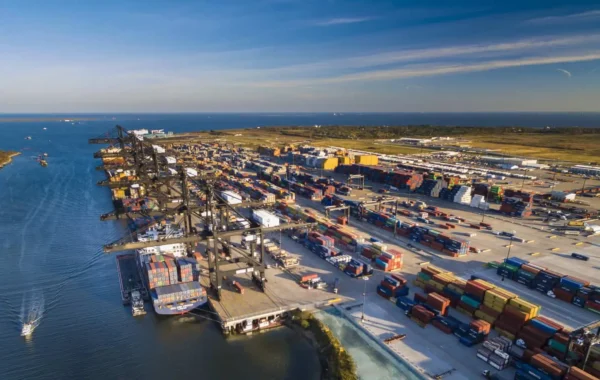

In the fast-paced Texas freight market, everyone is looking for a deal. But in our experience at Seashore Transportation, we’ve seen that a “cheap” quote can often become the most expensive mistake a business ever makes.
With Houston being such a massive hub for global trade, the region attracts the best in the business—but it also attracts “chameleon” carriers and fly-by-night brokers. To keep your cargo safe and your supply chain moving, you need to know how to spot a bad partner before the trailer ever hits the hitch.
Here are 5 red flags every Texas shipper should watch for when vetting a logistics provider in 2026.
1. The “Too Good to Be True” Rate
Texas is a competitive market, but the laws of economics still apply. If a carrier quotes you a rate significantly lower than the current Houston-to-Dallas average, ask yourself how.
The Risk: They might be cutting corners on insurance, maintenance, or driver safety. Even worse, they could be planning a “hostage freight” scenario where they demand more money once your goods are on their truck.
The Seashore Standard: We provide transparent, market-competitive pricing that reflects the true cost of safe, professional handling.
2. Vague or Missing DOT Credentials
Every legitimate carrier must have an active USDOT number. In 2026, the FMCSA has shifted toward using USDOT numbers as the primary identifier over the older MC system to reduce fraud.
The Red Flag: If a carrier is hesitant to provide their DOT number or if their status in the FMCSA SAFER System shows as “Inactive” or “Out of Service,” walk away immediately.
Pro-Tip: Check for “Chameleon” operations—companies that shut down due to poor safety records only to reopen a week later under a new name and DOT number.
3. Lack of Specialized Industry Knowledge
Texas logistics isn’t just about moving dry van goods. Between the Port of Houston’s drayage needs and the Energy Corridor’s oversized equipment, your partner needs to speak the local language.
The Red Flag: If they don’t understand the specific permit requirements for Texas highways or have no experience with the terminals at the Port, your shipment is likely to face delays or fines.
The Seashore Standard: We live and breathe Houston logistics. We know the routes, the port procedures, and the specific regulations that keep Texas commerce moving.
4. Poor Communication and “Ghosting”
In 2026, real-time visibility is the industry standard. You should never have to wonder where your freight is located.
The Red Flag: If a carrier takes hours to return a call, uses only generic Gmail/Yahoo addresses, or can’t provide GPS tracking for their fleet, they lack the infrastructure to be a reliable partner.
The Warning Sign: Be especially wary of “Double Brokering”—where a company accepts your load and then secretly hands it off to another (often unvetted) carrier without your knowledge.
5. Inadequate or Expired Insurance
A “Satisfactory” safety rating is great, but it means nothing if the carrier’s insurance has lapsed.
The Red Flag: Always request a Certificate of Insurance (COI) directly from their agent, not just a PDF from the carrier (which can be easily faked). Ensure they have sufficient Auto Liability and Cargo Insurance for the value of your specific goods.
The Seashore Standard: We maintain rigorous, up-to-date coverage that exceeds industry minimums, ensuring our partners are fully protected from the moment of pickup to the final delivery.
Vetting a partner isn’t just about checking a box; it’s about protecting your reputation. At Seashore Transportation, we invite our partners to look at our records, meet our team, and see how we operate. We’re proud of our deep roots in Houston and our commitment to doing things the right way.

Seashore transportation is a transportation staple in La Porte Texas.