
What Shippers Need to Know Before Container Check-In
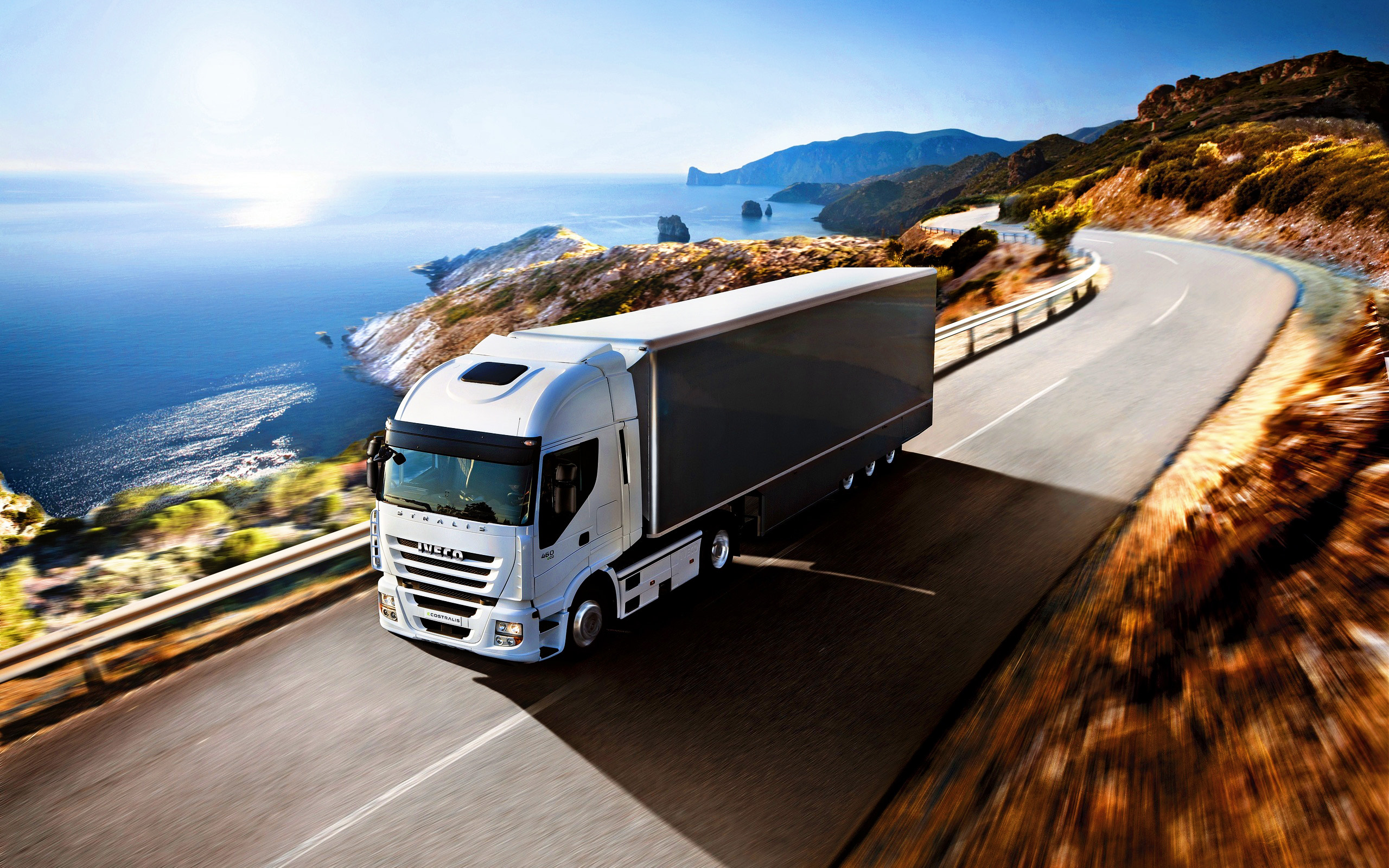
For supply chain and logistics managers used to standard over-the-road (OTR) freight, jumping into intermodal ocean shipping can feel like navigating a completely different rulebook. Moving a dry van across state lines relies on a relatively straightforward formula: hook up, hit the interstate, and drive.
Moving an ocean container out of a bustling port terminal, however, is a high-stakes obstacle course.
Understanding the crucial operational differences between port drayage and long-haul trucking—and knowing how to prepare before your container checks in—can save your business tens of thousands of dollars in hidden terminal fees, detention charges, and delayed deliveries.
1. TWIC Compliance & Terminal Security Clearance
Unlike standard warehouses or inland distribution centers, marine terminals are federally regulated, high-security facilities governed by Maritime Transportation Security Act (MTSA) standards.
Long-Haul Trucking: Any licensed Commercial Driver’s License (CDL) holder can pull up to a standard loading dock with basic shipping paperwork.
Port Drayage: To pass through a port gate unescorted, a driver must hold a valid Transportation Worker Identification Credential (TWIC®)—a federal biometric security card issued by the TSA.
The Local Solution: Dispatching a non-TWIC driver to pick up an ocean container leads to instant rejection at the gate or forces you to pay steep hourly fees for a third-party security escort. A specialized drayage provider maintains a 100% TWIC-compliant driver pool, ensuring every rig clears port security without expensive delays or turnaways.
2. The Chassis Dilemma: Equipment Matching
In long-haul trucking, the tractor-trailer combination is usually fixed. In drayage, ocean containers arrive on a vessel completely separate from the wheels required to haul them across land.
Long-Haul Trucking: Rigs move integrated trailers (like dry vans, flatbeds, or reefer trailers) that stay attached to the tractor for the entire trip.
Port Drayage: Drivers must source an independent chassis—a specialized steel frame with wheels—that matches the container’s exact size (20ft, 40ft, 45ft, heavy-duty tri-axle, etc.) before picking up the load.
The Local Solution: Chassis shortages, pool imbalances, and defective rental equipment at terminal yards cause major bottlenecks for unprepared carriers. Experienced local drayage teams maintain strong relationships with chassis pools and execute thorough pre-trip equipment inspections to ensure every container is safely paired and road-ready the moment it leaves the terminal.
3. Terminal Turn Times & Gate Queues
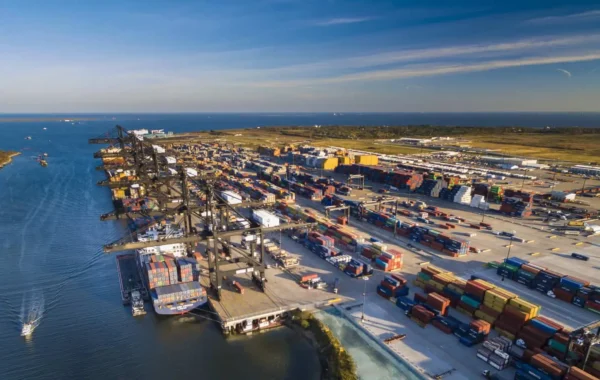
In long-haul freight, dock appointments are usually arranged in predictable time windows. At massive shipping hubs like Port Houston (Barbours Cut and Bayport terminals), managing time requires constant adaptability.
Long-Haul Trucking: Delays mostly stem from highway traffic, weather, or slow unloading at the destination warehouse.
Port Drayage: Drivers must navigate terminal gate queues, vessel schedule shifts, crane staging delays, and strict appointment slot windows set by terminal operators.
The Local Solution: A driver sitting in a two-hour port gate line burns valuable Hours of Service (HOS) log time before they even touch the highway. Local drayage experts leverage real-time terminal tracking, ExpressPass check-ins, and flexible dispatching to enter port gates during off-peak hours—cutting turn times and maximizing daily load efficiency.
4. Dodging Demurrage & Detention Fees
The financial risks involved in port drayage are significantly higher than standard long-haul shipping.
Demurrage: Storage fees charged by the port terminal when an import container sits in the yard past its allotted “free time.”
Detention: Daily fees charged by the ocean shipping line when an empty container is not returned to the port on schedule.
In over-the-road trucking, a late arrival usually just means a rescheduled delivery window. In port drayage, missing a pickup or return window can cause compounding daily penalties that easily outpace the value of the freight itself.
The Local Solution: Having a staging yard close to the port allows local carriers to extract containers from the terminal as soon as they hit the ground, resetting the clock before storage penalties start accruing.
Partnering with the Port Experts
Port drayage requires a specialized playbook, specialized credentials, and deep local expertise. Trying to manage ocean container handoffs with standard long-haul methods often leads to unexpected expenses and logistical gridlock.
At Seashore Transportation, we specialize in taking the stress out of Port Houston intermodal drayage. With our dedicated TWIC-compliant fleet, proactive equipment management, and strategic proximity to Barbours Cut and Bayport terminals, we keep your container freight moving seamlessly from vessel to highway.
Have ocean containers arriving soon? Contact the team at Seashore Transportation today to secure your drayage capacity and streamline your Texas supply chain.

Seashore transportation is a transportation staple in La Porte Texas.