

Beyond the Docks: How to Avoid Costly Dwell-Time Fees at the Port of Houston
If you want to watch a supply chain manager’s blood pressure spike in real-time, just whisper two words into their ear: demurrage and detention.
As the busiest port in the United States by foreign waterborne tonnage, the Port of Houston is a massive driver of economic power. But it can also be a massive driver of unexpected operational costs. When imported containers linger past their designated Last Free Day (LFD), they don’t just sit there quietly. They start racking up fees that can evaporate a shipper’s margins overnight.
With per-diem rates climbing and a complex dual-layer fee system unique to the Houston terminals, managing your container “dwell time” (the total time a container sits at the port before pickup) isn’t just a basic administrative task. It’s a critical line item on your balance sheet.
Here is an insider’s look at how the Port of Houston’s fee structure works, why things changed recently, and how to stay ahead of the clock.
The Double-Whammy: Carrier Demurrage vs. Port Dwell Fees
Many importers don’t realize that when a dry container sits at Barbours Cut or Bayport Container Terminal past its free time, they can actually be hit by two completely different entities at the same time.
-
Carrier Demurrage: Billed by the ocean lines. Depending on the carrier, you generally get a window of 3 to 7 free calendar days. Once that window closes, tiered daily penalties hit hard.
-
Port Houston Sustained Import Dwell Fee: Billed directly by the port authority to the Beneficial Cargo Owner (BCO). On the 8th day after your carrier free time expires, the port tacks on an additional $45 per container, per day to combat yard congestion.
Here is a look at how these numbers can stack up against a single dry container that runs past its welcome:
| Dwell Window | Avg. Carrier Demurrage (Per Day) | Port Houston Dwell Fee (Per Day) | Total Daily Liability |
| Days 1–5 past LFD | ~$150 – $300 | $0 | $150 – $300 |
| Days 6–7 past LFD | ~$300 – $500 | $0 | $300 – $500 |
| Days 8+ past LFD | ~$300 – $500 | $45 | $345 – $545+ |
The Perishables Penalty: If you are importing temperature-controlled cargo, the margin for error is even smaller. The port enforced a reduced reefer free-time window, cutting your breathing room down to just 5 days post-arrival, with steeper daily penalties.
The New Regulatory Reality
To make matters more interesting, the legal rules governing who pays these fees have shifted back to traditional models.
The Federal Maritime Commission (FMC) had previously attempted to restrict carriers from billing anyone other than the direct contracting party on the Bill of Lading. However, federal court rulings vacated that specific rule. This means ocean lines and terminal operators can once again bill third parties directly for demurrage.
If your company’s standard operating procedures haven’t been updated to account for this shift in invoicing, you could be blind to incoming charges until they’ve already accumulated into thousands of dollars.
3 Strategies to Wipe Out Dwell Time
Avoiding the demurrage trap doesn’t require luck; it requires a highly synchronized local strategy.
1. Separate “Customs Cleared” from “Drayage Ready”
The biggest mistake out-of-state or hands-off shippers make is assuming that because a container has cleared U.S. Customs, it is ready to be loaded onto a chassis. Customs clearance is just step one. You still have to monitor ocean carrier releases, steamship line holds, and terminal traffic.
True visibility means knowing the exact hour a container drops into a pick-up pile—not just the day the ship docked.
2. Move Pre-Staging Inland
If your primary warehouse is backed up, running low on labor, or incapable of unstacking containers quickly enough to keep pace with arriving vessels, do not use the marine terminal as a temporary storage yard. It is arguably the most expensive real estate on earth.
Utilize a local drayage partner with nearby drop yards in the La Porte area. Pulling the container off the dock before the Last Free Day and moving it to a secure, local staging yard stops the demurrage clock completely. You can then transload or deliver the freight at a pace your warehouse can actually handle.
3. Coordinate Your Tech and Your Trucker
Container tracking is only as good as the horsepower behind it. A software alert telling you a container is accruing fees doesn’t do you any good if you don’t have a dedicated truck lined up to go get it.
The solution is an integrated approach: combining real-time port tracking tools with an asset-based carrier that operates right next to the docks. When your tracking data flows seamlessly to dispatchers who know the gate structures of Barbours Cut and Bayport like the back of their hand, containers move out before the penalties kick in.
Keep Your Freight Flowing, Keep Your Margins Whole
At Seashore Transportation, we don’t just haul freight—we protect your supply chain from predictable bottlenecks. Based practically within eyesight of the major Houston container terminals, our team handles the complex orchestration of intermodal drayage, container tracking, and local staging so you never have to look at an unexpected demurrage invoice again.
Let’s get your containers off the dock and onto the road before the free-time clock runs out.
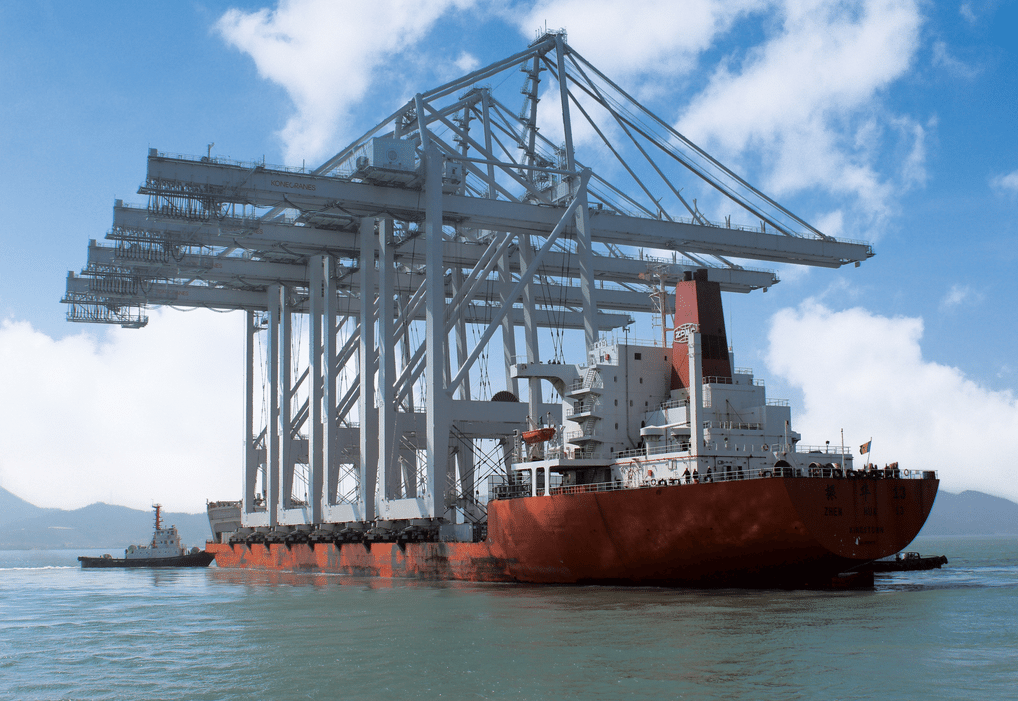
Seashore transportation is a transportation staple in La Porte Texas.